Perimenopause Brain Fog: Causes, Duration & What Helps

Perimenopause brain fog is a temporary decline in focus, memory, and mental clarity caused by fluctuating estrogen and progesterone. It's not a sign of cognitive decline or dementia, it's a common, well-documented symptom that affects up to 62% of women during the menopause transition, and for most, it improves once hormone levels stabilize (Conde et al., 2021).
What Causes Brain Fog During Perimenopause?
Brain fog happens because estrogen does more in the brain than most people realize. It helps regulate neurotransmitters like acetylcholine, serotonin, and dopamine – the chemicals your brain uses for memory, focus, and mood (Cho et al., 2025). Estrogen also increases blood flow to the brain and helps neurons produce energy. When estrogen starts fluctuating unevenly during perimenopause (rather than declining smoothly), those systems get disrupted, which can show up as forgetfulness, trouble concentrating, or losing your train of thought mid-sentence.
Progesterone plays a supporting role too, since it also affects neurotransmitter production. And it's rarely just hormones acting alone – sleep disruption from night sweats and hot flashes, added stress, and rising inflammation as hormone levels shift can all stack on top of each other and make the fog feel worse.
Which Hormone Helps with Brain Fog?
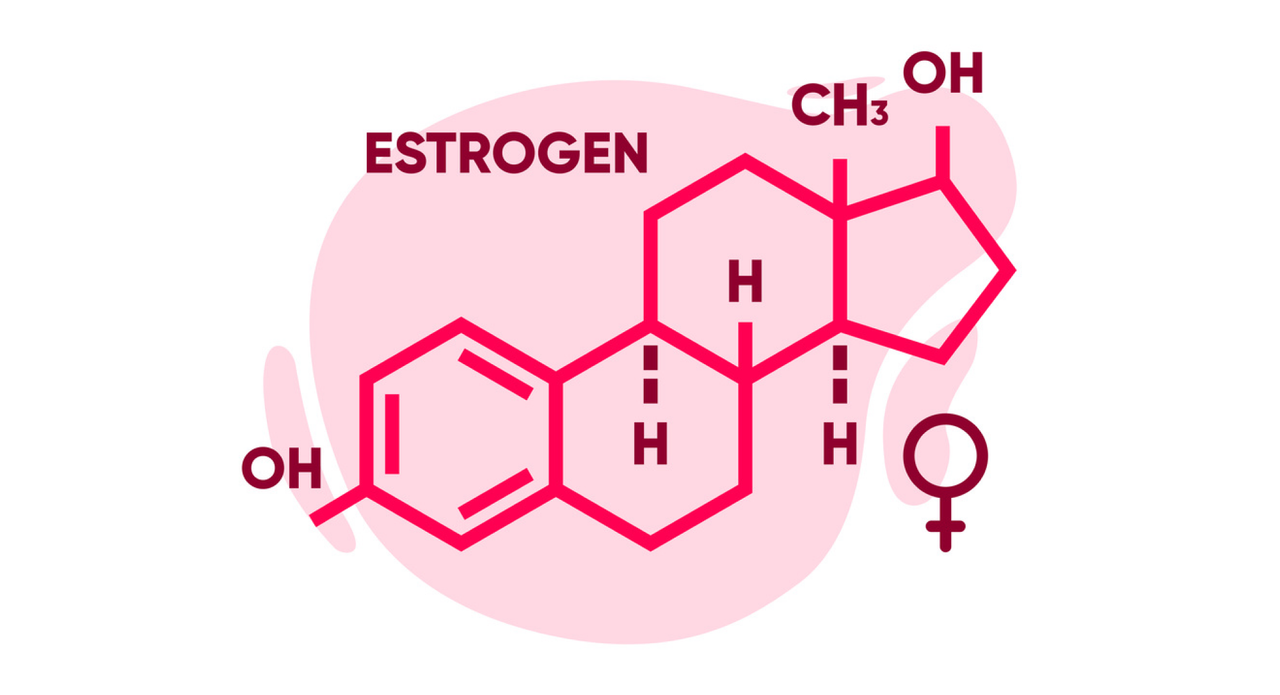
Estrogen is the hormone most directly tied to perimenopause brain fog. It stimulates neuron activity, supports the growth of new brain cells, and helps existing neurons form connections – so when estrogen drops or swings unpredictably, cognitive symptoms tend to follow (Cho et al., 2025). Testosterone also plays a role in cognition and memory, and some women find that hormone replacement therapy (HRT) that includes testosterone, alongside estrogen and progesterone, offers additional benefits (Glynne et al., 2024).
For some women, a doctor-guided HRT plan that restores estrogen and sometimes progesterone can meaningfully improve focus and memory. This isn't a decision to make alone, though – HRT needs to be personalized based on health history and symptoms, so it's worth a conversation with a doctor or menopause specialist rather than a general recommendation.
Can Light Therapy Help with Perimenopause Brain Fog?
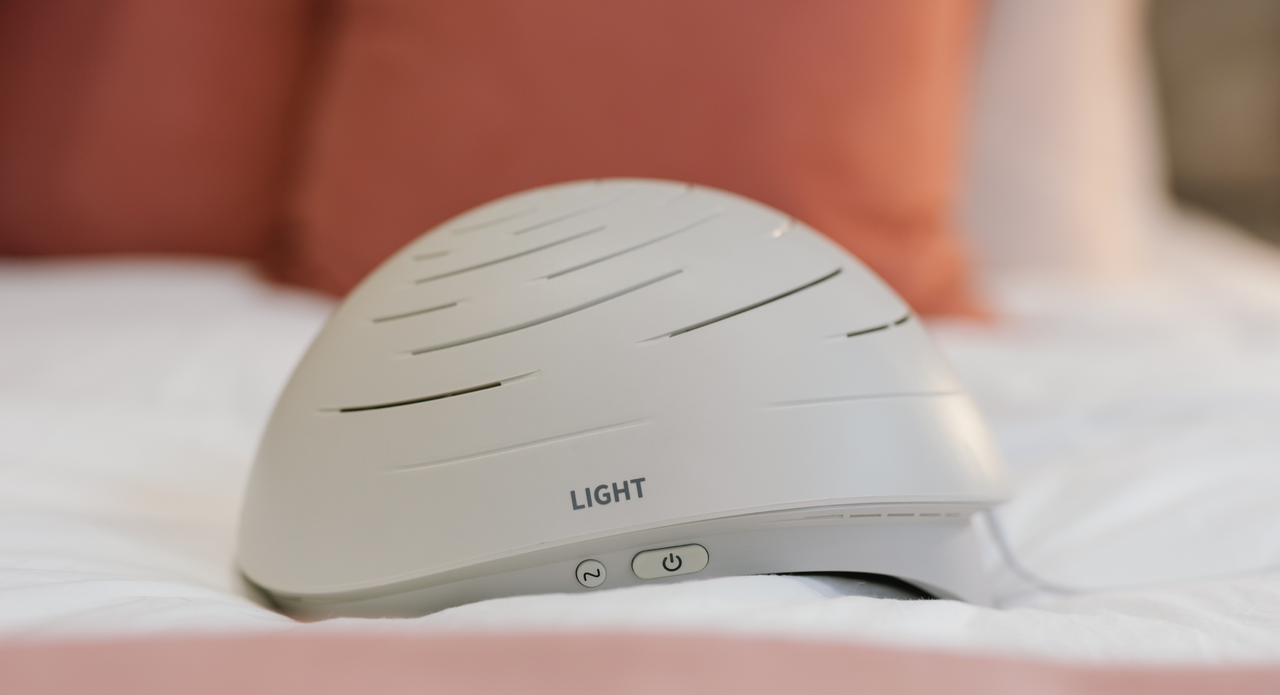
Light therapy – specifically red and near-infrared light applied to the head, known as transcranial photobiomodulation (tPBM) – is an emerging approach some women explore alongside more established treatments for perimenopause brain fog. It's not a replacement for HRT or medical care, but the research behind it is worth understanding on its own.
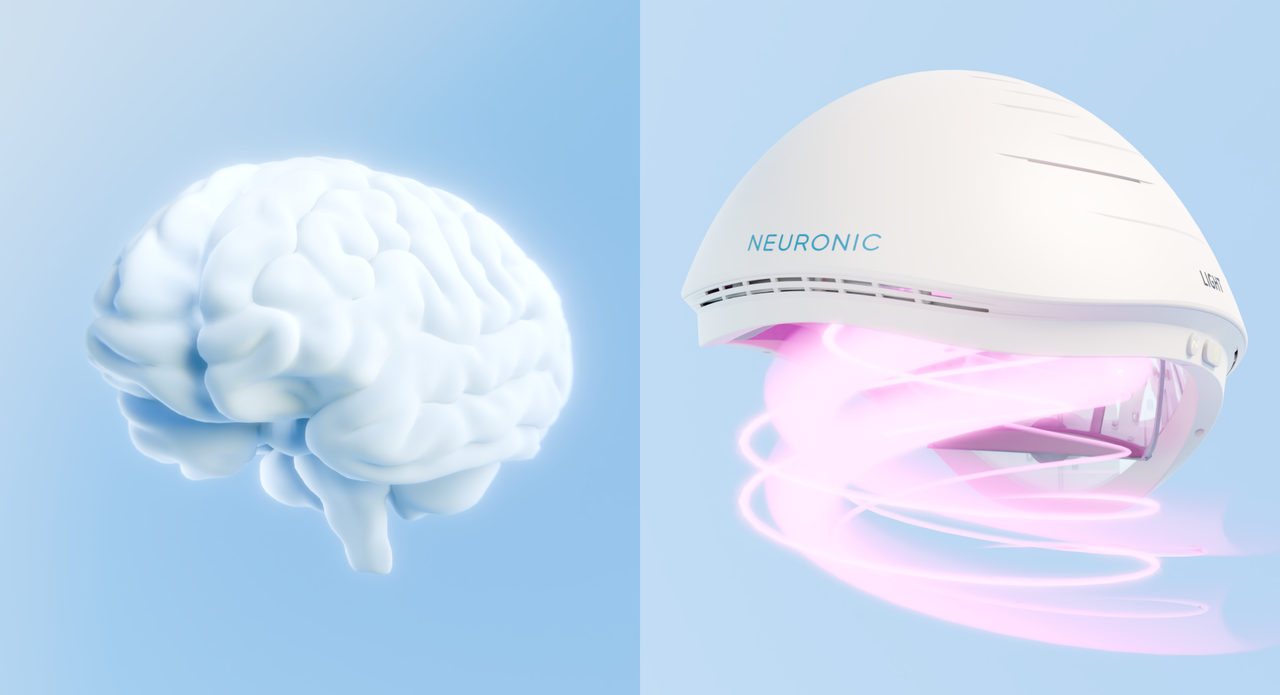
How Does Light Therapy Affect the Brain?
tPBM works by delivering red or near-infrared light (roughly 600–1100 nm) through the scalp, where it's absorbed by mitochondria in brain cells. This has a few documented effects relevant to brain fog specifically:
- Increased cellular energy. Light in this range stimulates cytochrome c oxidase, an enzyme that boosts ATP production – giving brain cells more energy to function, which matters since estrogen normally helps fuel this same process (Hamblin, 2018).
- Improved blood flow to the brain. Better cerebral circulation means more oxygen and nutrients reaching brain tissue, similar to one of estrogen's own roles (Hamblin, 2018).
- Reduced inflammation. Since declining estrogen is linked to rising neuroinflammation during perimenopause, light therapy's anti-inflammatory effects may help offset part of that shift (Hamblin, 2018).
What Does the Research Say?
A broader systematic review of tPBM for cognitive function found that the large majority of human studies – including all of those focused on people with memory complaints or mild cognitive impairment – reported measurable improvement in outcomes like attention, memory, and executive function.
Some of the most direct evidence for light therapy easing brain fog specifically, rather than cognitive decline in general, comes from a 2023 pilot study by Bowen and Arany. The study looked at brain fog following COVID-19 – a condition that, like perimenopause, involves inflammation and disrupted cellular energy affecting cognition, rather than a neurodegenerative process. Fourteen participants with persistent brain fog, confusion, and mental fatigue used either a transcranial photobiomodulation helmet (1070 nm) or a whole-body light bed (660/850 nm) over four weeks, 12 sessions total. Both groups showed significant improvements across a full neuropsychological test battery – including the Montreal Cognitive Assessment, processing speed, and reaction time – along with measurable changes on quantitative EEG.
That study wasn't specific to perimenopause, but it's one of the more direct pieces of evidence that light therapy can meaningfully ease brain fog as a functional symptom, regardless of what's driving it underneath. Since both COVID-related and perimenopause-related brain fog involve overlapping mechanisms – inflammation and reduced cellular energy production affecting brain function – the improvement seen in one context offers a reasonable, if indirect, signal for the other.
Research on Light Therapy for Sleep
Sleep disturbances – another common symptom of perimenopause – have also been seen to be responsive to tPBM. In a 2025 randomized trial, adults with chronic insomnia who received three brief sessions of near-infrared light to the forehead reported better sleep and less daytime sleepiness than a sham-treated group (Mehdizadeh et al., 2025). Thirty participants were randomly split between real and sham light, with the treatment group receiving 810-nm near-infrared light to the front of the head for 10 minutes a day over three consecutive days.
A week later, the treated group's scores had improved by 4.6 points more than the sham group on the Pittsburgh Sleep Quality Index and by 4.1 points more on a standard daytime sleepiness scale. The two groups also showed different patterns of slow-wave brain activity at the front of the head, which the researchers read as a shift toward healthier sleep-related activity. No serious side effects were reported.

What Else Helps With Perimenopause Brain Fog?
There isn't a single "cure," since brain fog during perimenopause is a byproduct of a normal hormonal transition rather than a condition to eliminate – but most women find real relief through a combination of approaches rather than one fix:
- Prioritizing sleep. Since night sweats and insomnia are major contributors, addressing sleep quality (through cooling strategies, consistent bedtimes, or treating hot flashes directly) often improves daytime clarity.
- Regular exercise. Physical activity supports blood flow and can help with mood and cognitive symptoms during menopause.
- Stress management. Chronic stress compounds hormonal effects on the brain, so building in recovery time matters.
- HRT, when appropriate. For women with more disruptive symptoms, hormone therapy is the most directly evidence-backed option.
Most women describe alleviating their brain fog not through one dramatic fix, but through consistent sleep, stress, and (when needed) hormonal support working together over months.
FAQs
How did women "cure" their brain fog during menopause? Most women don't describe a single cure – they report gradual improvement from combining better sleep, regular exercise, stress management, and in some cases HRT. Brain fog also tends to resolve on its own as hormones stabilize after menopause.
Are Neuronic Devices medical devices? Neuronic devices are classified as medical devices in the United States under the FDA’s ILY category for therapeutic infrared lamps, but this classification is specific to general device registration and does not mean they are intended to diagnose, treat, cure, or prevent any medical condition.
Globally, outside of the U.S., Neuronic devices are not registered as medical devices, and they are marketed and designed solely to support overall wellness, relaxation, and cognitive function rather than as medical treatments. Neuronic does not provide medical advice, and devices should be used as part of a wellness routine, not as a replacement for professional healthcare guidance.
Which hormone helps with brain fog? Estrogen is most closely linked to brain fog, since it supports neurotransmitter function, blood flow, and neuron health. Testosterone also plays a supporting role in cognition for some women.
References:
Cho, J. M., Lee, J., Ahn, E. M., & Bae, J. (2025). Beyond Hot Flashes: The Role of Estrogen Receptors in Menopausal Mental Health and Cognitive Decline. Brain sciences, 15(9), 1003. https://doi.org/10.3390/brainsci15091003
Conde, D. M., Verdade, R. C., Valadares, A. L. R., Mella, L. F. B., Pedro, A. O., & Costa-Paiva, L. (2021). Menopause and cognitive impairment: A narrative review of current knowledge. World journal of psychiatry, 11(8), 412–428. https://doi.org/10.5498/wjp.v11.i8.412
Glynne, S., Kamal, A., Kamel, A. M., Reisel, D., & Newson, L. (2025). Effect of transdermal testosterone therapy on mood and cognitive symptoms in peri- and postmenopausal women: a pilot study. Archives of women's mental health, 28(3), 541–550. https://doi.org/10.1007/s00737-024-01513-6
Hamblin M. R. (2018). Mechanisms and Mitochondrial Redox Signaling in Photobiomodulation. Photochemistry and photobiology, 94(2), 199–212. https://doi.org/10.1111/php.12864
Mehdizadeh, M., Farnam, A., & Nikzad, B. (2025). Transcranial photobiomodulation improves sleep quality, reduces daytime sleepiness, and modulates delta power in chronic insomnia: a randomized controlled trial. Lasers in medical science, 40(1), 451. https://doi.org/10.1007/s10103-025-04699-y

Subscribe for insights, tips, offers & more.
By signing up, you accept our privacy policy. Your personal data will be processed so that we can contact you about our products. Read our Privacy Policy for more information.