

5 Brain Fog Interventions Compared: How Near-Infrared Light Differs
![[object Object]](https://cdn.sanity.io/images/h29o7kl4/staging/0c0476690b5e49f9a375deb663c4d52aa39fa8e2-352x351.heif?w=352&q=80&auto=format&fit=max)
The most common options for brain fog are nootropic supplements, brain-training apps, neurofeedback, hyperbaric oxygen therapy (HBOT) and near-infrared light therapy. Each targets a different process: supplements change brain chemistry, apps and neurofeedback train skills or brain rhythms, HBOT raises oxygen supply, and near-infrared light acts on how brain cells produce energy.
Because the mechanisms differ, a result from one tells you little about how you will respond to another.
Summary: how the main brain fog options differ
- Nootropics and supplements change what is chemically available to the brain, such as nutrients or messenger molecules.
- Brain-training apps build specific skills through practice; gains tend to stay close to the trained task.
- Neurofeedback teaches you to shift your own brain-wave patterns using real-time feedback.
- Hyperbaric oxygen therapy (HBOT) raises the oxygen dissolved in your blood by having you breathe oxygen under pressure.
- Near-infrared light therapy delivers light that is absorbed inside mitochondria, the parts of the cell that make energy.
Why do brain fog interventions work so differently from each other?
Brain fog interventions differ because brain fog is a set of symptoms, not a single condition with a single cause. Brain fog is the everyday term for trouble focusing, slow recall, lost words and mental fatigue. The American Brain Foundation (2025) notes there is no one-size-fits-all treatment, and Cleveland Clinic (2024) says no specific treatment exists for it.
The same symptom can come from very different places. For someone who never got their brain back after a virus, the driver may be different from someone who is 47 and suddenly can't find words, or someone who sleeps eight hours and still wakes up foggy.
That is why each option on the market works on a different layer of brain function:
- Chemistry: what substances are available to brain cells (supplements, medication).
- Skills and learning: how well the brain performs trained tasks (brain-training apps).
- Electrical rhythms: the brain-wave patterns you can learn to regulate (neurofeedback).
- Oxygen supply: how much oxygen reaches tissue (HBOT).
- Cellular energy: how efficiently brain cells turn oxygen and nutrients into usable energy (near-infrared light).
If an option on one layer didn't help, it doesn't rule out an option that works on another.
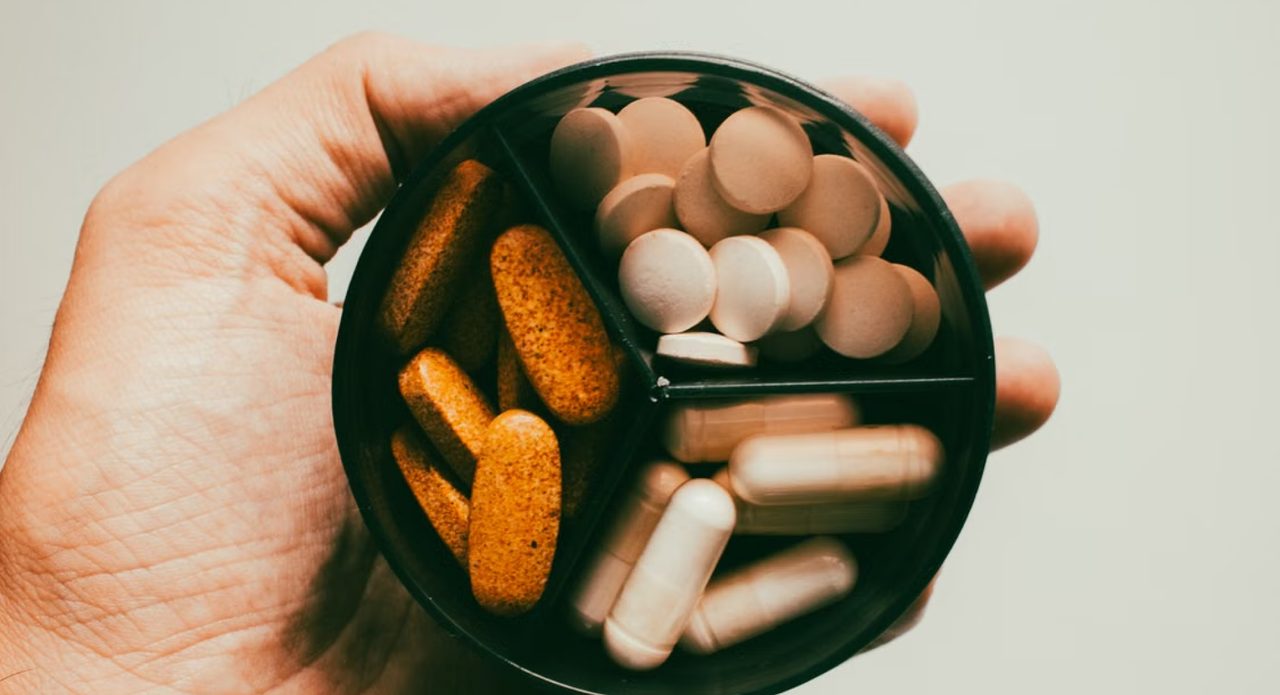
How do nootropics and supplements work for brain fog?
Nootropics and supplements work by changing what is chemically available to the brain. A nootropic is any substance taken to support thinking, memory or focus, and the category covers very different compounds with very different mechanisms.
What do nootropics do in the brain?
Nootropics are often grouped by what they act on. The main mechanisms:
- Brain energy metabolism: some compounds support how neurons use glucose and oxygen. Acetyl-L-carnitine, for example, is studied for increasing neural energy production (Scafidi et al., 2016).
- Chemical messengers (neurotransmitters): choline sources are thought to stimulate production or release of acetylcholine, a messenger involved in memory and attention (National Institutes of Health, 2022). Other nootropics act on glutamate or GABA systems (Voronina, 2023).
- Blood flow: some compounds, such as vinpocetine, widen blood vessels and increase cerebral blood flow (Voronina, 2023).
- Protection: antioxidants and membrane-supporting compounds aim to shield brain cells from damage (Voronina, 2023).
How are supplements different from near-infrared light therapy?
Supplements work through the bloodstream and brain chemistry: they change the raw materials or the messengers. Near-infrared light therapy adds no substance. It delivers light energy that is absorbed by an enzyme inside mitochondria, targeting how brain cells use the materials they already have.
Do brain-training apps help with brain fog?
Brain-training apps help you get better at the specific tasks you practise, but those gains usually don't spread to everyday thinking. Brain-training apps are games or exercises designed to build memory, attention or processing speed through repetition.
How does brain training change the brain?
Brain training works through neuroplasticity: the brain's ability to rewire itself in response to repeated experience. The approach is often repeatedly engaging a mental process through challenging, adaptive tasks, much like physical training for a muscle. The proposed mechanisms (van Balkom et al., 2020):
- Stronger connections between neurons: animal studies link training to changes in dendritic spines and synapses, the contact points where neurons pass signals.
- Faster signalling: training is associated with changes in inhibitory circuits, which affect how quickly and cleanly signals travel.
- Network-level changes: in people, training alters brain activation and resting-state connectivity in the networks the tasks use.
Do brain-training gains carry over to daily life?
Researchers call improvement on the trained task "near transfer" and improvement in untrained, real-life abilities "far transfer." A meta-analysis of commercial brain-training programs found insufficient evidence that they improve memory, general cognition or everyday functioning (Nguyen et al., 2021). A review of cognitive training in midlife found some benefits for executive function in adults in their 40s and 50s, depending on the type of training (Zhu et al., 2024).
How are brain-training apps different from near-infrared light therapy?
Brain training works through learning: it strengthens the specific circuits a task uses. Near-infrared light therapy works at the cellular level and needs no task practice. It aims to support the mitochondrial energy production that all brain activity, including learning, depends on.
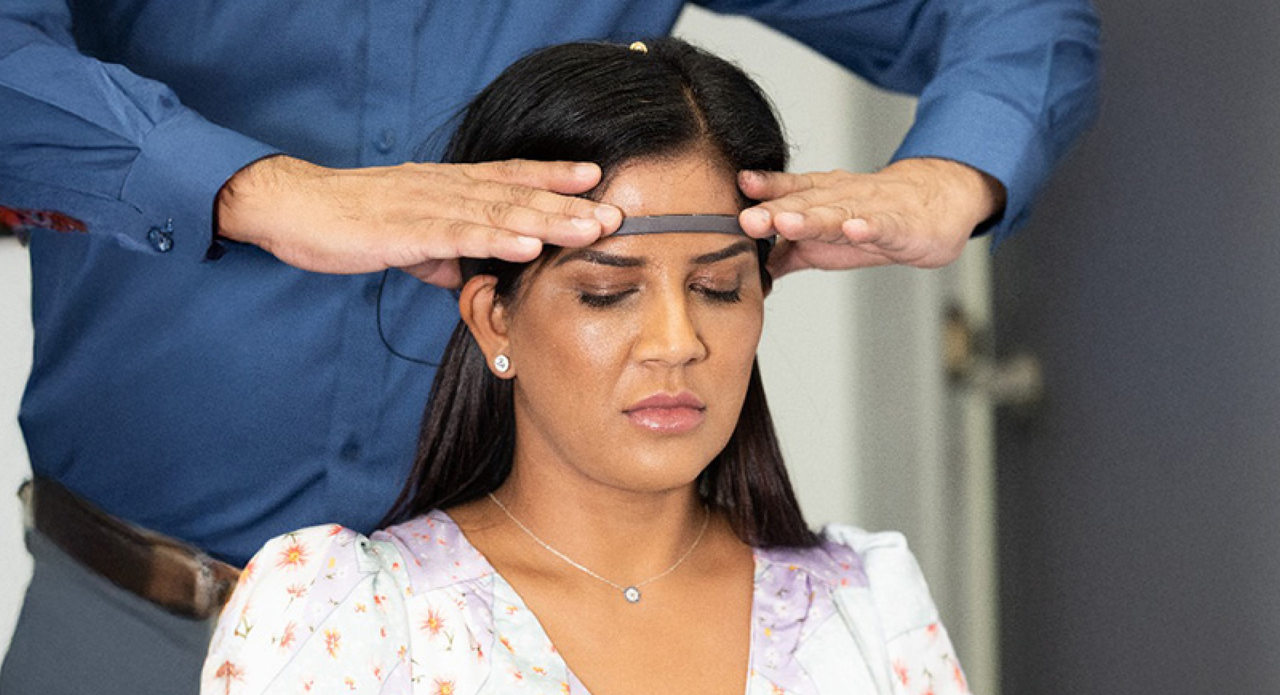
How does neurofeedback work for brain fog?
Neurofeedback works by teaching you to regulate your own brain-wave patterns. Neurofeedback, also called EEG biofeedback, uses sensors on the scalp to measure electrical brain activity and gives you real-time sound or visual feedback as those patterns shift.
What happens in the brain during neurofeedback?
The core mechanism is operant conditioning: a behaviour becomes more likely when it is followed by a reward. A tutorial review in Frontiers in Human Neuroscience identifies it as the main learning mechanism behind brain self-regulation. The loop runs like this (Marzbani et al., 2016):
- Measure: an EEG records brain waves during the session, and software extracts a target pattern, such as the strength of a specific frequency band.
- Feed back: the system gives positive feedback for the desired pattern and negative feedback for the undesired one, for example a video that plays or dims.
- Learn: over repeated sessions, the brain produces the rewarded pattern more often. Researchers describe two processes at work: unconscious conditioning and a growing conscious sense of your own mental state.
Does neurofeedback help with brain fog?
Research specific to brain fog is still early. Published work is limited to case reports, such as this post-COVID case, and results depend heavily on the protocol and practitioner (Masuko & Sasai-Masuko, 2024).
How is neurofeedback different from near-infrared light therapy?
Neurofeedback trains the brain's electrical rhythms through a learning loop you take part in actively. Near-infrared light therapy doesn't read or train brain waves. It delivers light that is absorbed by cytochrome c oxidase in mitochondria, acting on energy production rather than learned regulation.
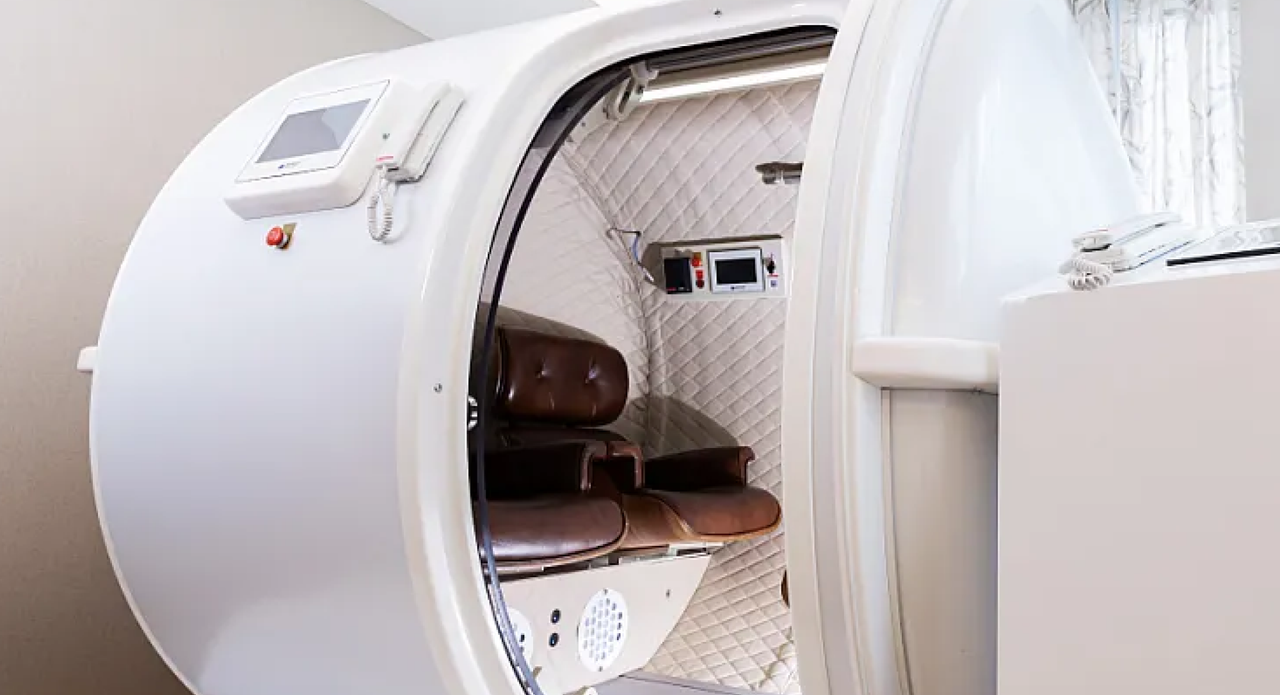
Is hyperbaric oxygen therapy (HBOT) effective for brain fog?
Hyperbaric oxygen therapy has shown cognitive benefits in a controlled trial of people with long COVID, though it is clinic-based and time-intensive (Hadanny et al., 2024). HBOT means breathing 100% oxygen inside a chamber pressurised above normal air pressure.
How does hyperbaric oxygen therapy work in the brain?
HBOT works by forcing extra oxygen into the liquid part of your blood. Normally, almost all oxygen rides on red blood cells, which have a fixed carrying limit. The mechanisms (Ortega et al., 2021):
- More dissolved oxygen: high pressure dissolves oxygen directly into blood plasma, raising tissue oxygen even where blood flow is poor. At 2 atmospheres, plasma oxygen pressure rises above 1,110 mmHg, many times the normal level.
- Repair signalling: the combination of high oxygen and pressure activates oxygen- and pressure-sensitive genes linked to repair.
- Repair and plasticity: in research on brain injury, HBOT has been linked to better cerebral blood flow, restored ATP levels and lower neuroinflammation.
What does the research show for brain fog?
In a randomized, sham-controlled trial in Scientific Reports, people with ongoing symptoms at least three months after COVID showed improved cognitive scores after HBOT compared with sham (Zilberman-Itskovich et al., 2022). The protocol ran to 40 daily sessions, and a follow-up study reported the gains held more than a year later (Hadanny et al., 2024).
How is HBOT different from near-infrared light therapy?
HBOT increases how much oxygen is delivered to tissue. Near-infrared light therapy targets what happens next: the enzyme cytochrome c oxidase, which uses oxygen in mitochondria to make ATP. HBOT also requires a medical chamber and daily clinic visits, while near-infrared devices can be used at home.
How does near-infrared light therapy work for brain fog?
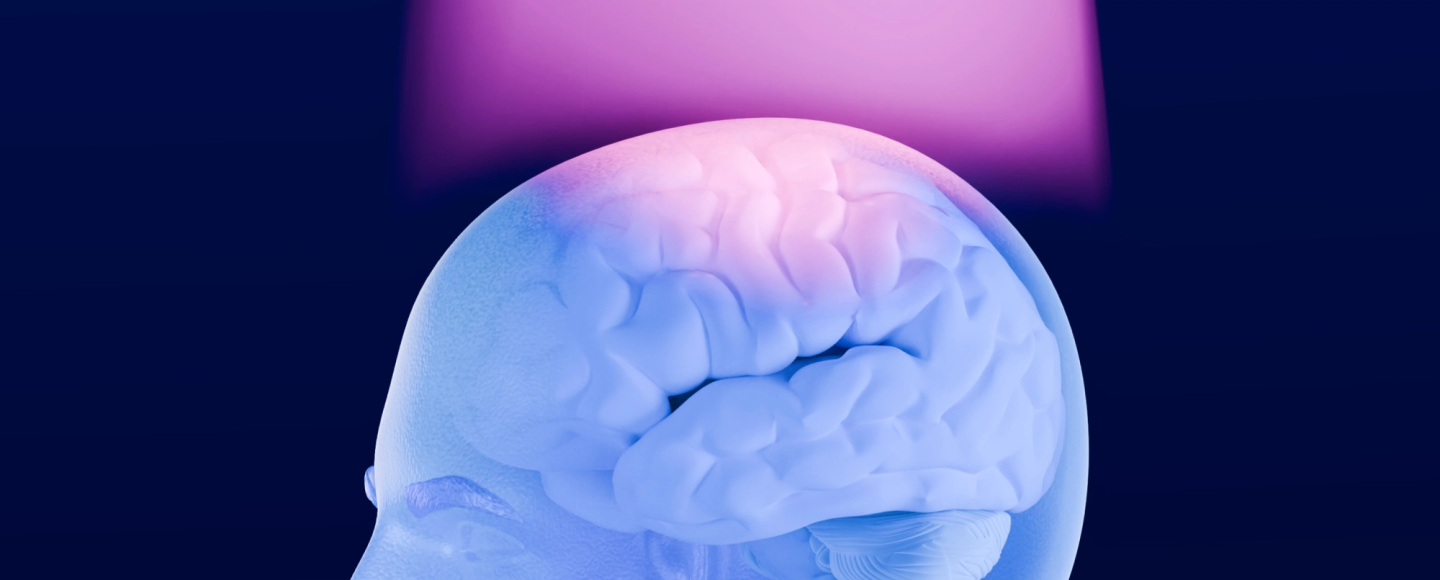
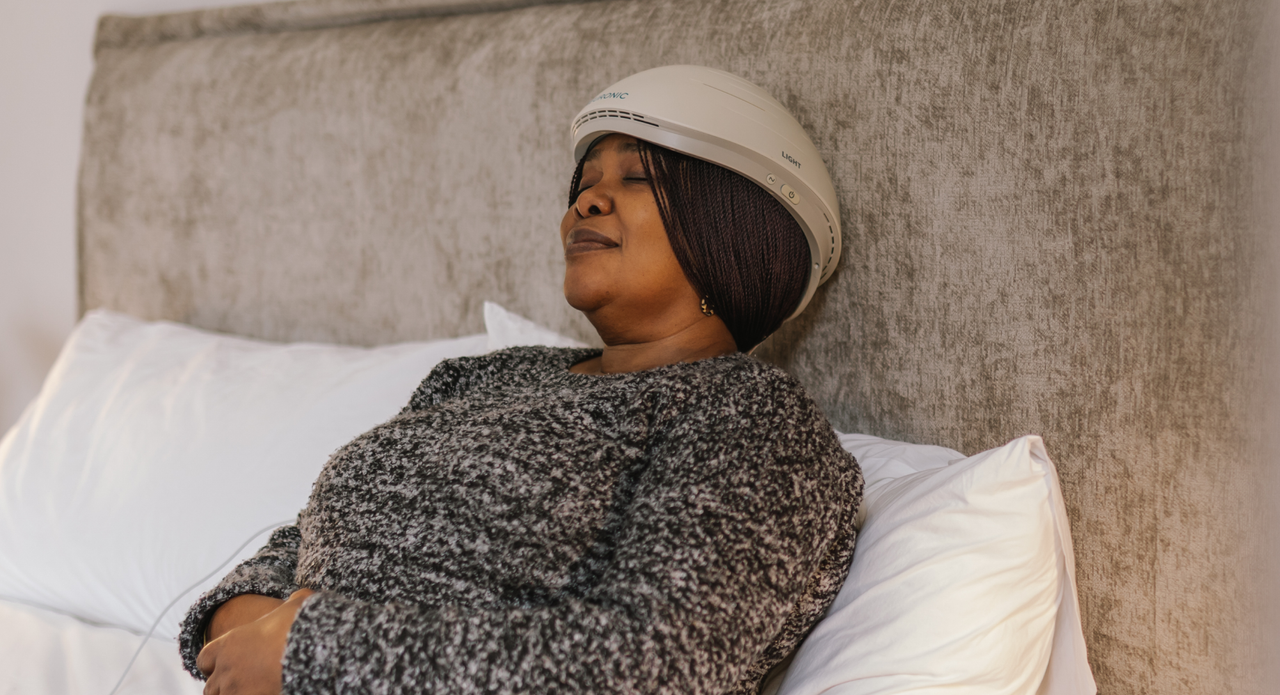
Near-infrared light therapy works by delivering light that brain cells absorb inside their mitochondria, where it is studied for supporting energy production. The approach is also called transcranial photobiomodulation (tPBM): using red or near-infrared light, applied through the skull, to influence how cells function.
What happens in the brain during near-infrared light therapy?
The main target is an enzyme called cytochrome c oxidase. Cytochrome c oxidase (CCO) is the final step in the chain mitochondria use to turn oxygen into ATP, the molecule cells run on. CCO is often described as the main light-absorbing molecule at the wavelengths used for photobiomodulation.
The proposed sequence (Lin et al., 2024):
- Light reaches brain tissue: red to near-infrared light, roughly 600 to 1,300 nm, passes through the skull to reach the cortex.
- Mitochondria absorb it: cytochrome c oxidase absorbs this light.
- A brake is released: the light is thought to release nitric oxide that inhibits the enzyme, letting it work faster.
- ATP production rises: the enzyme's activity improves and ATP synthesis increases.
- Protective signals follow: a brief burst of signalling molecules activates antioxidant defences and lowers inflammation, while gene expression shifts toward protection.
- Blood flow improves: in people, transcranial near-infrared light has been linked to increased prefrontal oxygenation during cognitive tasks.
Curious to see the mechanisms in action? Watch Dr. Ramona von Leden walk you through the step-by-step process.
What does the research show in people?
Human studies are small, but they are growing. A small 2023 pilot study in the Journal of Biophotonics tested two light therapy approaches in adults who had brain fog for at least five months after COVID-19 (Bowen & Arany). One group of seven used the Neuradiant 1070 helmet, which delivers 1070-nm light to the head. The other seven used a light bed that delivers 660- and 850-nm light to the whole body. Each group had 12 sessions, three a week for four weeks. Before and after treatment, participants completed the Montreal Cognitive Assessment (MoCA), the digit symbol substitution test, trail-making tests A and B, and a physical reaction time test. Both groups improved significantly on the digit symbol test and trail-making test B. Trail-making test A improved significantly only in the helmet group. MoCA scores rose in both groups but narrowly missed statistical significance, and reaction time did not change significantly. The study was open-label with no placebo group, so larger controlled trials are needed to confirm the results.
Another 2025 pilot study from the University of Texas at Dallas, published in Military Medicine, found that near-infrared light from the Neuradiant 1070 was linked to better working memory and faster responses in healthy adults, compared with a sham treatment (Lundie et al.). Eight adults aged 18 to 45 were randomly assigned to real or sham stimulation in a double-blind design and attended two sessions about six days apart. The active group received 15 minutes of 1070-nm light over the prefrontal cortex. The sham group wore the same helmet with the light switched off after five seconds.
The active group did better on a visual working memory task, most clearly when remembering eight items, though not on a color-based version. It also scored better on reaction time and a measure of how the nervous system adapts, and it showed steadier pupil responses during an attention task. The authors conclude the effects were strongest when the brain was working hardest. With only eight healthy participants, the results need confirming in larger studies and in people with brain fog.
How is Neuronic's near-infrared light different from other options?
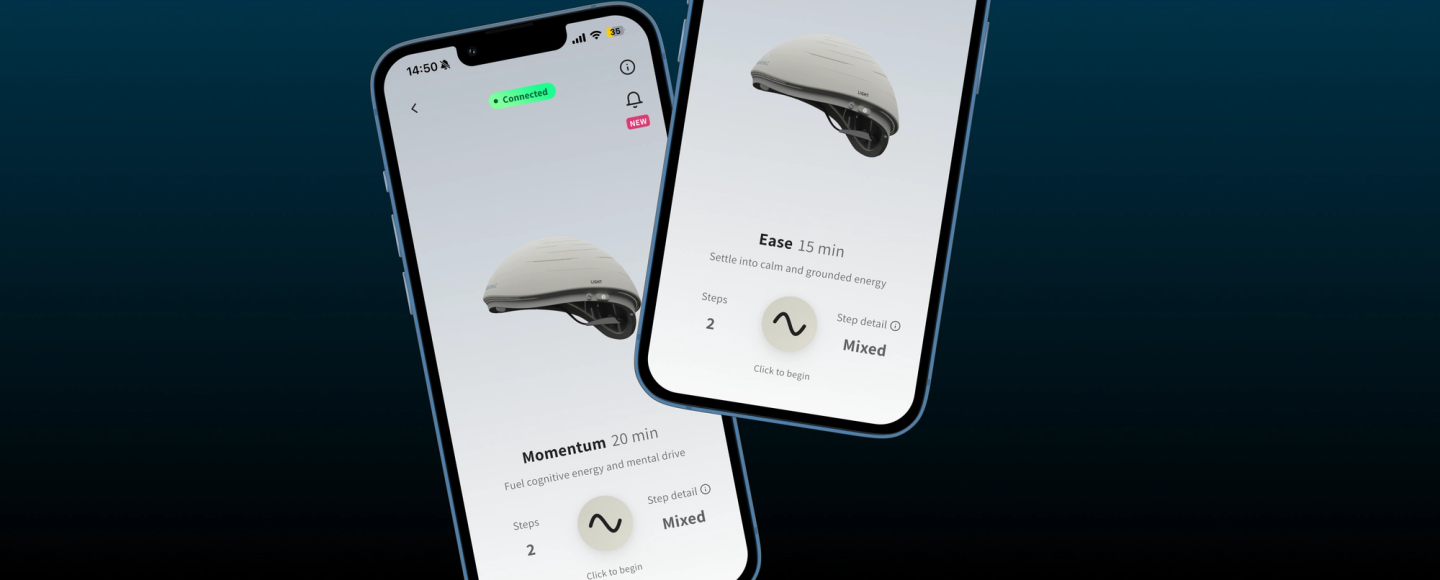
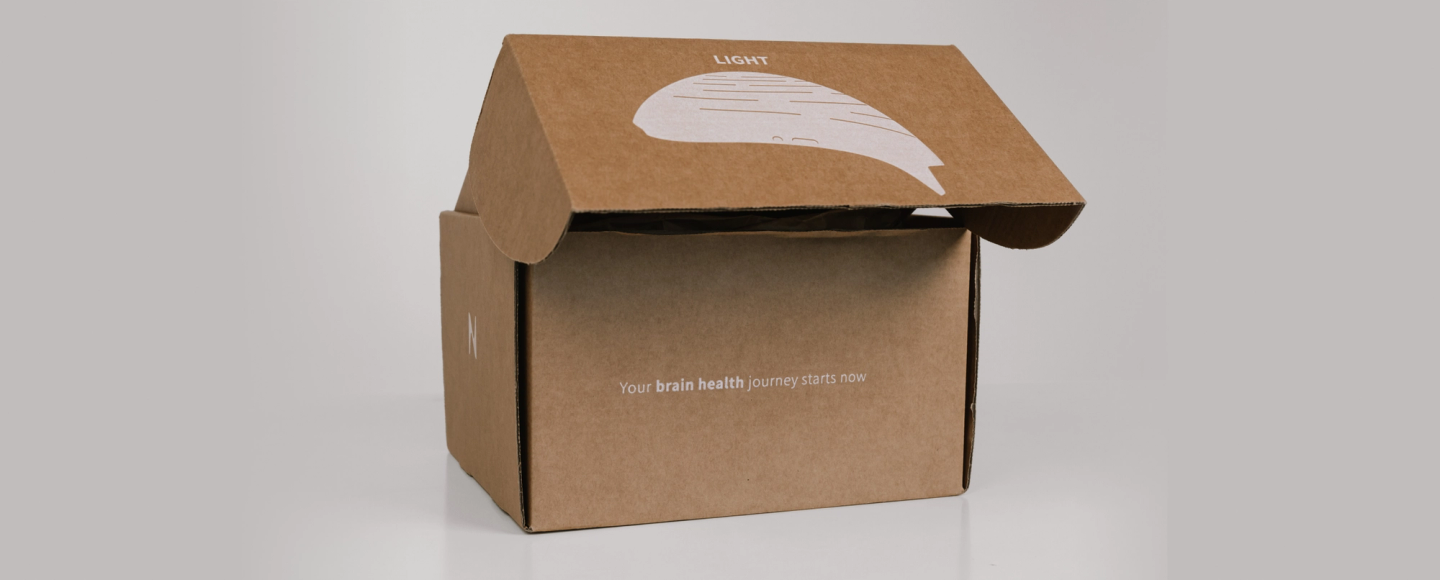
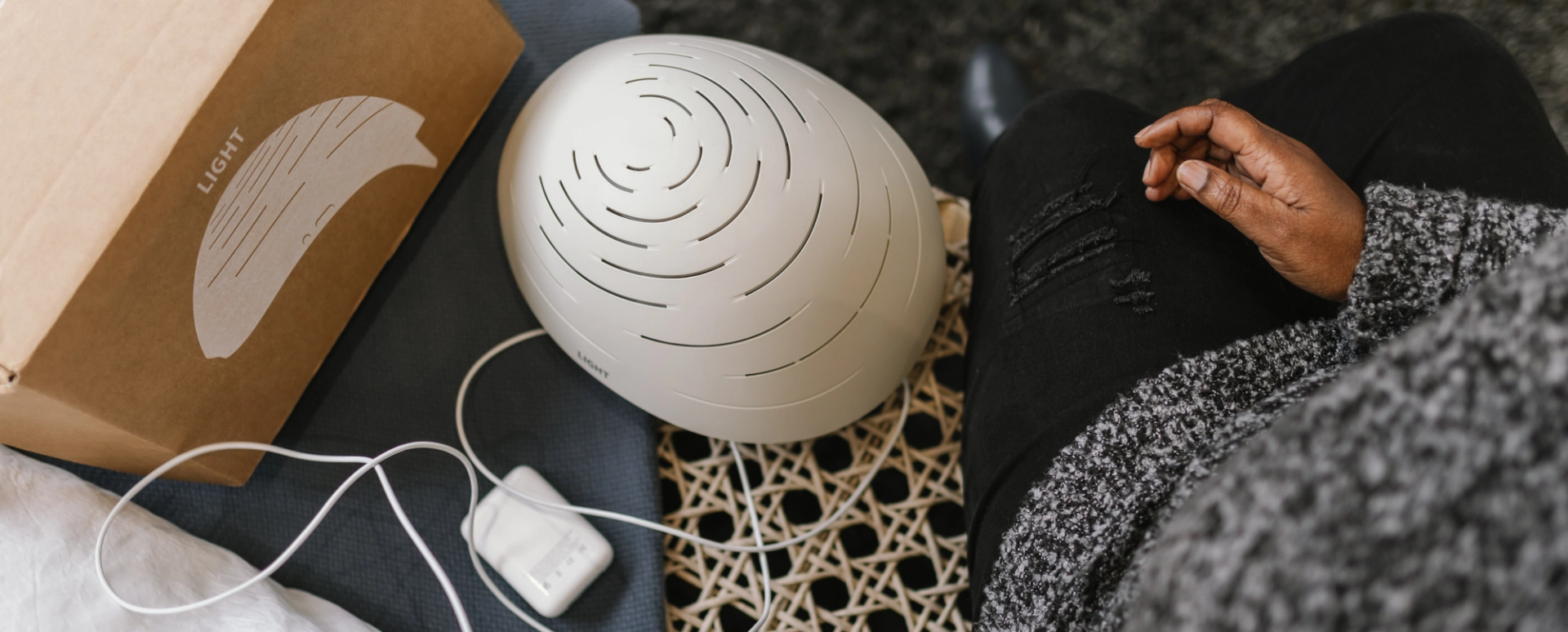
Neuronic is an at-home device that delivers a specific near-infrared light for brain recovery and performance. Unlike supplements it adds no substance, unlike brain training it needs no task practice, and unlike HBOT it doesn't require a clinic. Neuronic users have completed over 300,000 sessions.
Brain fog modalities compared: mechanism, setting and time commitment
The five main brain fog options each act on a different part of brain function, and they differ in where and how often you use them.
| Option | What it Targets | How it Works | Where you do it | Typical Commitment |
|---|---|---|---|---|
| Nootropics and supplements | Brain chemistry | Supplies nutrients, affects chemical messengers or blood flow | At home | Daily, ongoing |
| Brain-training apps | Trained skills | Repeated practice drives neuroplasticity in task networks | At home | Short daily sessions over weeks |
| Neurofeedback | Brain-wave patterns | Real-time EEG feedback conditions self-regulation | Clinic, some home systems | Many sessions over weeks to months |
| Hyperbaric oxygen therapy (HBOT) | Oxygen supply | Pressure dissolves extra oxygen into blood plasma | Clinic | Up to 40 daily sessions in trials |
| Near-infrared light therapy | Cellular energy | Light absorbed by cytochrome c oxidase boosts ATP production | At home | Short regular sessions |
Frequently asked questions about brain fog
Can near-infrared light therapy be used with supplements or brain training?
Near-infrared light therapy can generally be used alongside supplements, brain-training apps and lifestyle changes, because each works through a different mechanism. Check with your doctor if you have a medical condition or take photosensitising medication.
Is near-infrared light therapy the same as red light therapy?
Near-infrared and red light therapy are related but not identical. Both are forms of photobiomodulation, but near-infrared light has a longer wavelength that penetrates deeper into tissue, which is why it is the focus of research on the brain.
How long does near-infrared light therapy take to work for brain fog?
Some lab studies of transcranial near-infrared light report changes in attention and memory after a single session, while programs for ongoing symptoms typically run for several weeks. Response varies by person, device and the cause of the fog. Most Neuronic users report seeing results in 2-4 weeks, with some taking up to 3 months.
Is near-infrared light therapy safe?
Transcranial near-infrared light at the low power levels used in studies has been well tolerated, with few reported side effects. It is non-invasive and produces no significant heat at therapeutic settings. People with cancer or tumors, have metal in the head or who are pregnant should consult a doctor first.
When should I see a doctor about brain fog?
See a doctor if brain fog lasts more than a few weeks, is getting worse, or affects work, driving or relationships. Seek urgent care for sudden confusion, trouble speaking, weakness on one side or a severe headache.
References:
Barrett, D. W., & Gonzalez-Lima, F. (2013). Transcranial infrared laser stimulation produces beneficial cognitive and emotional effects in humans. Neuroscience, 230, 13–23. https://doi.org/10.1016/j.neuroscience.2012.11.016
Beese, M. (2025, November 4). Brain fog. American Brain Foundation. https://www.americanbrainfoundation.org/what-is-brain-fog/
Bowen, R., & Arany, P. R. (2023). Use of either transcranial or whole-body photobiomodulation treatments improves COVID-19 brain fog. Journal of Biophotonics, Article e202200391. https://doi.org/10.1002/jbio.202200391
Cleveland Clinic. (2024, May 14). Brain fog. https://my.clevelandclinic.org/health/symptoms/brain-fog
Hadanny, A., Zilberman-Itskovich, S., Catalogna, M. et al. Long term outcomes of hyperbaric oxygen therapy in post covid condition: longitudinal follow-up of a randomized controlled trial. Sci Rep 14, 3604 (2024). https://doi.org/10.1038/s41598-024-53091-3
Lin, H., Li, D., Zhu, J., Liu, S., Li, J., Yu, T., Tuchin, V. V., Semyachkina-Glushkovskaya, O., & Zhu, D. (2024). Transcranial photobiomodulation for brain diseases: review of animal and human studies including mechanisms and emerging trends. Neurophotonics, 11(1), 010601. https://doi.org/10.1117/1.NPh.11.1.010601
Lundie, M., Koch, M., Villanueva, A., Nguyen, T., Garner, C., Satsangi, M., Advani, P., & Krawczyk, D. (2025). Illuminating cognitive performance: Assessing the role of transcranial photobiomodulation in augmenting cognition. Military Medicine, 190(Suppl. 2), 456-463. https://doi.org/10.1093/milmed/usaf227
Marzbani, H., Marateb, H. R., & Mansourian, M. (2016). Neurofeedback: A Comprehensive Review on System Design, Methodology and Clinical Applications. Basic and clinical neuroscience, 7(2), 143–158. https://doi.org/10.15412/J.BCN.03070208
Masuko, T., & Sasai-Masuko, H. (2024). Efficacy of Original Neurofeedback Treatment Method for Brain Fog From COVID-19: A Case Report. Cureus, 16(3), e56519. https://doi.org/10.7759/cureus.56519
Nguyen, L., Murphy, K. & Andrews, G. A Game a Day Keeps Cognitive Decline Away? A Systematic Review and Meta-Analysis of Commercially-Available Brain Training Programs in Healthy and Cognitively Impaired Older Adults. Neuropsychol Rev 32, 601–630 (2022). https://doi.org/10.1007/s11065-021-09515-2
Office of Dietary Supplements. (2022, June 2). Choline: Fact sheet for health professionals. National Institutes of Health. https://ods.od.nih.gov/factsheets/Choline-HealthProfessional/
Ortega, M. A., Fraile-Martinez, O., García-Montero, C., Callejón-Peláez, E., Sáez, M. A., Álvarez-Mon, M. A., García-Honduvilla, N., Monserrat, J., Álvarez-Mon, M., Bujan, J., & Canals, M. L. (2021). A General Overview on the Hyperbaric Oxygen Therapy: Applications, Mechanisms and Translational Opportunities. Medicina (Kaunas, Lithuania), 57(9), 864. https://doi.org/10.3390/medicina57090864
Scafidi, S., Fiskum, G., Lindauer, S. L., Bamford, P., Shi, D., Hopkins, I., & McKenna, M. C. (2010). Metabolism of acetyl-L-carnitine for energy and neurotransmitter synthesis in the immature rat brain. Journal of neurochemistry, 114(3), 820–831. https://doi.org/10.1111/j.1471-4159.2010.06807.x
van Balkom, T.D., van den Heuvel, O.A., Berendse, H.W. et al. The Effects of Cognitive Training on Brain Network Activity and Connectivity in Aging and Neurodegenerative Diseases: a Systematic Review. Neuropsychol Rev 30, 267–286 (2020). https://doi.org/10.1007/s11065-020-09440-w
Voronina, T.A. Cognitive Impairment and Nootropic Drugs: Mechanism of Action and Spectrum of Effects. Neurochem. J. 17, 180–188 (2023). https://doi.org/10.1134/S1819712423020198
Zhu, C., Arunogiri, S., Li, Q. et al. Cognitive Training During Midlife: A Systematic Review and Meta-Analysis. Neuropsychol Rev 35, 427–448 (2025). https://doi.org/10.1007/s11065-024-09649-z
Zilberman-Itskovich, S., Catalogna, M., Sasson, E. et al. Hyperbaric oxygen therapy improves neurocognitive functions and symptoms of post-COVID condition: randomized controlled trial. Sci Rep 12, 11252 (2022). https://doi.org/10.1038/s41598-022-15565-0

Neuronic LIGHT
$1,795excl. sales tax
At-home near-infrared brain stimulation designed to support clarity, focus, and long-term cognitive wellness.
- 90-Day Return Policy
- Backed by Research
- Free Shipping
- One Year Warranty