

Top 5 Myths About Light Therapy: Debunked
![[object Object]](https://cdn.sanity.io/images/h29o7kl4/staging/0c0476690b5e49f9a375deb663c4d52aa39fa8e2-352x351.heif?w=352&q=80&auto=format&fit=max)

Near-infrared (NIR) light therapy, which falls under the term photobiomodulation (PBM), is gaining attention for its wide-ranging benefits on brain health, cellular repair, and inflammation. But with its rise in popularity, there has also been a surge in confusion and misinformation about light therapy in general. In this blog, we're clearing up five of the most common misconceptions about light therapy so you can better understand how it works and what it can (and can't) do.
Myth #1: Light therapy is pseudoscience
Reality: Because light therapy is marketed heavily in the wellness space, it's easy to assume it's just a trend dressed up in scientific language. But photobiomodulation has a long, documented research history.
NASA and Soviet researchers began studying low-level lasers for tissue healing back in the 1960s, and the therapy has since been backed by 12,000+ peer-reviewed publications examining its effects on wound healing, inflammation, pain, and brain function.
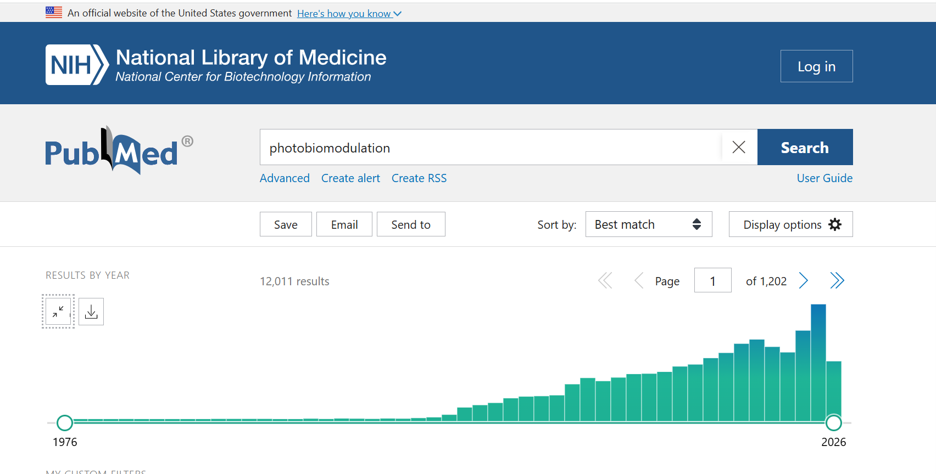
PubMed search results for “photobiomodulation” totalling over 12,000 (Image Source: PubMed).
Myth #2: Near-infrared light does not penetrate the skull
Reality: A common assumption is that light simply can't get past something as dense as the skull, so any claims about NIR reaching the brain must be exaggerated. But near-infrared wavelengths (roughly 800–1100 nm) behave very differently from visible light in tissue.
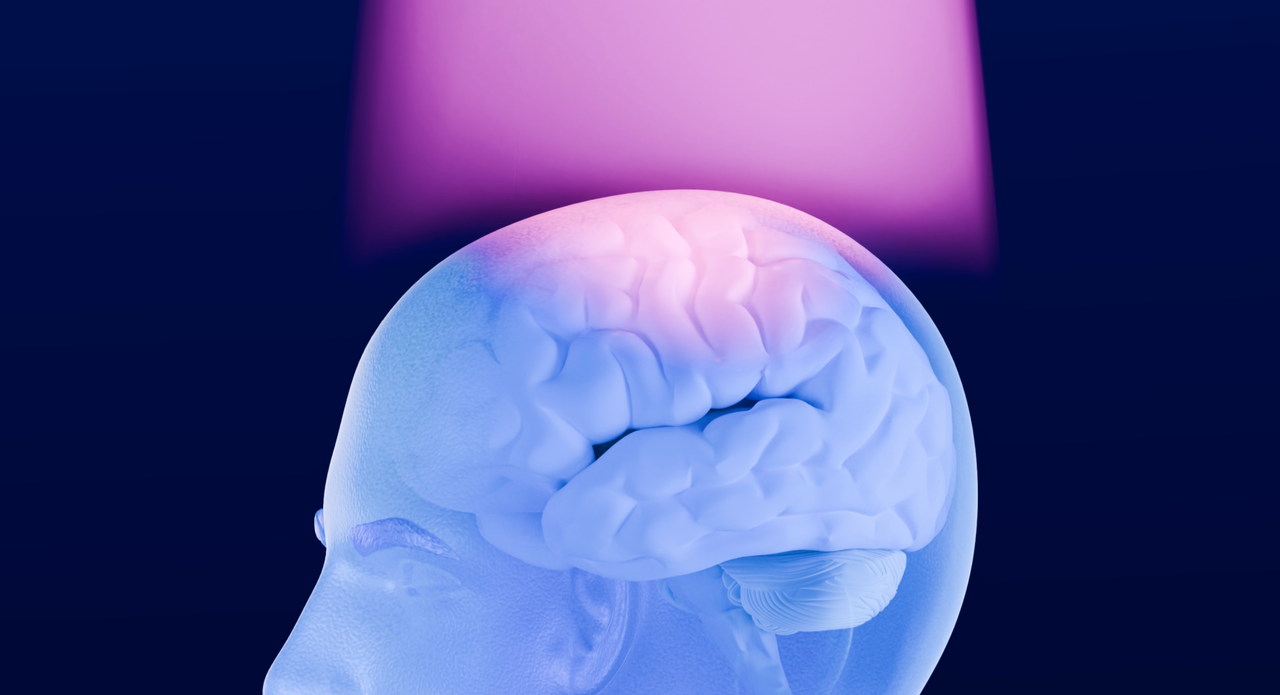
Studies using human cadaver skulls and brain tissue have measured meaningful light transmission through scalp, skull, and into brain tissue at these wavelengths, showing that transcranial NIR can reach penetrate a depth of approximately 40 mm (Tedford et al., 2015). This is precisely why NIR – rather than red light, which is absorbed much closer to the skin's surface – is the wavelength range used in transcranial photobiomodulation research for brain-related applications.
Myth #3: Near-infrared light therapy is the same as red light therapy
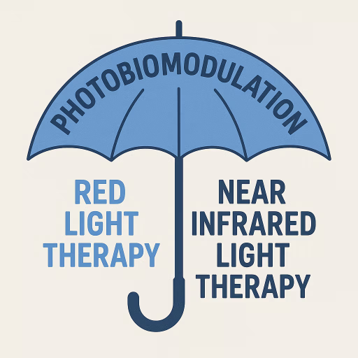
Reality: Red light (typically 620–680 nm) and near-infrared light (typically 800–1100 nm) both fall under the umbrella of photobiomodulation, but they interact with tissue quite differently. Red light is absorbed mostly in the surface layers of skin, which makes it well-suited to skin health, wound healing, and superficial inflammation. Near-infrared light penetrates considerably deeper, reaching muscle, bone, and even brain tissue (Tedford et al., 2015).
Given that difference in penetration depth, NIR is generally the better fit for systemic, neurological, and musculoskeletal applications, while red light remains the go-to for surface-level skin concerns.
Myth #4: A more powerful device delivers better results
Reality: It's intuitive to think that a stronger device or a longer session must produce a bigger benefit, but PBM doesn't follow a simple "more is better" curve - and the reverse isn't true either, since too gentle of a dose just under-delivers.
Research on light dosing describes a biphasic, or Arndt-Schulz, dose-response: low doses can under-stimulate tissue, moderate doses tend to land in the therapeutic sweet spot, and doses that are too high can blunt the benefit or even suppress the cellular response entirely (Huang et al., 2009; Huang et al., 2011).
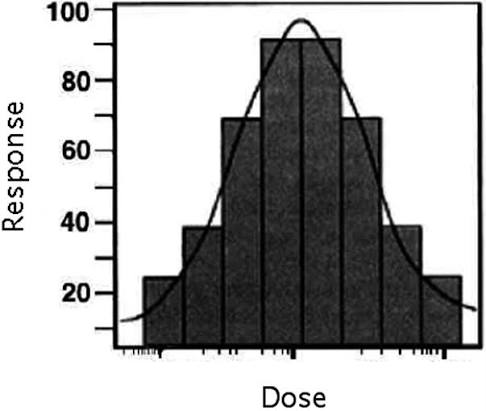
Biphasic dose response curve (Image Source: Huang et al., 2009). This pattern is well established in cell culture and animal studies, but it hasn't been mapped with the same precision in humans. We don't yet know the exact edges of that sweet spot for a given wavelength, tissue depth, or condition - so no one can say with confidence whether 20W or 100W is "the" right number for a given application.
That uncertainty is exactly why the parameters that matter most for a device - wavelength, irradiance, and treatment duration - need to sit within a tested therapeutic range, rather than simply maximizing power output. It's also why devices operate within established photobiological safety limits regardless of open dosing questions: therapeutic lasers are classified under ANSI Z136.1 (Class 1–4 hazard classification), while LED-based devices are assessed under IEC 62471, which sorts light sources into risk groups from RG0 (exempt) to RG3 (high risk); most therapeutic red/NIR LEDs test at RG1 (low risk). Those limits are built into the device's design, not left to guesswork on the day.
Myth #5: Light therapy damages your skin like the sun does
Reality: Sun damage is driven primarily by ultraviolet (UV) radiation, a much shorter wavelength than the light used in red and near-infrared therapy. Because "light therapy" and "sun exposure" both involve light, people sometimes assume the same risks apply – but PBM devices are designed to emit little to no UV, and studies evaluating red and near-infrared LED and laser sources for skin applications have found emissions that stay well below the threshold needed to cause sunburn or erythema (Wunsch & Matuschka, 2014).
Unlike UV exposure, which can damage DNA in skin cells over time, red and near-infrared light are non-ionizing and are generally associated with supporting collagen production and skin health rather than degrading it.
Why is this important?
Misconceptions about near-infrared light therapy tend to push people toward two extremes: dismissing it outright as unproven, or assuming any device with more power or more warnings must be automatically safer or more effective. Neither extreme reflects what the research actually shows. Understanding how NIR penetrates tissue, how it differs from red light and from sun exposure, and why dosing matters more than raw power can help you make better-informed decisions about integrating this technology into your health routine.
References:
Huang, Y. Y., Chen, A. C., Carroll, J. D., & Hamblin, M. R. (2009). Biphasic dose response in low level light therapy. Dose-response : a publication of International Hormesis Society, 7(4), 358–383. https://doi.org/10.2203/dose-response.09-027.Hamblin
Huang, Y. Y., Sharma, S. K., Carroll, J., & Hamblin, M. R. (2011). Biphasic dose response in low level light therapy - an update. Dose-response : a publication of International Hormesis Society, 9(4), 602–618. https://doi.org/10.2203/dose-response.11-009.Hamblin
Tedford, C., DeLapp, S., Jacques, S., & Anders, J. (2015, March 13). Quantitative analysis of transcranial and intraparenchymal light penetration in human cadaver brain tissue. Lasers in Surgery and Medicine.https://onlinelibrary.wiley.com/doi/10.1002/lsm.22343
Wunsch, A., & Matuschka, K. (2014). A controlled trial to determine the efficacy of red and near-infrared light treatment in patient satisfaction, reduction of fine lines, wrinkles, skin roughness, and intradermal collagen density increase. Photomedicine and Laser Surgery.https://pmc.ncbi.nlm.nih.gov/articles/PMC3926176/

Neuronic LIGHT
$1,795excl. sales tax
At-home near-infrared brain stimulation designed to support clarity, focus, and long-term cognitive wellness.
- 90-Day Return Policy
- Backed by Research
- Free Shipping
- One Year Warranty