


Research on Light Therapy and Brain Injury
Brain injuries can come from various causes and their symptoms can result in impaired function of day to day activities. Luckily, research in the field of transcranial photobiomodulation (tPBM) shows promising results for brain injuries.
Brain injuries can come from various causes and their symptoms can result in impaired function of day to day activities. Luckily, research in the field of transcranial photobiomodulation (tPBM) shows promising results for brain injuries.

Signs and Symptoms of a Brain Injury
Brain injuries can occur from a myriad of causes, including automobile accidents, falls, sports collisions, and combat related blasts, to name a few. Their symptoms and severity vary from person to person, but some common symptoms include:
- Headache
- Nausea or vomiting
- Sensitivities to light or sound
- Loss of consciousness
- Problems with memory or concentration
- Mood changes or mood swings
- Irregular sleep
*Read a full list of symptoms on the Mayo Clinic website
mTBI vs. TBI
The severity of a brain injury is determined by many factors. A mild traumatic injury (mTBI) is often referred to as a concussion, whereas a traumatic brain injury (TBI) includes both moderate to severe brain injuries.
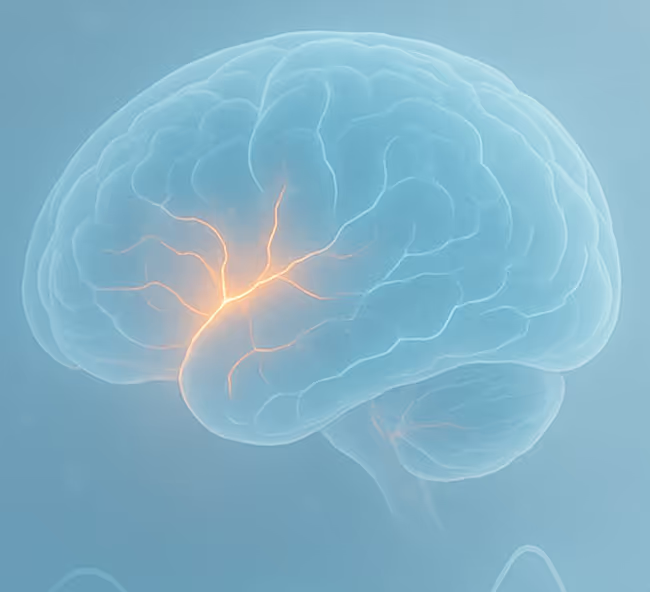
mTBI/Concussion
- Loss of consciousness less than 30 mins
- Unremarkable on neuroimaging
- Alteration of mental state for 0-24 hours
- Post-traumatic amnesia for 0-1 day
- Glasgow Coma Scale score 13-15
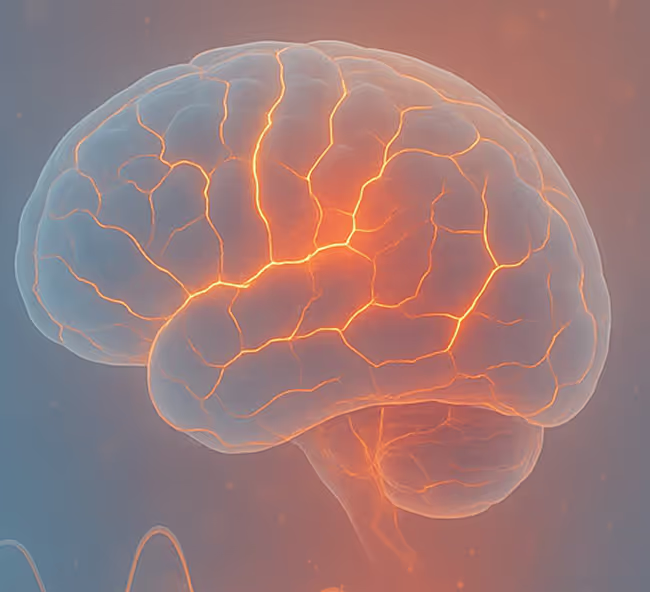
TBI
- Loss of consciousness more than 30 mins
- Moderate to significant findings on neuroimaging
- Alteration of mental state for longer than 24 hours
- Post-traumatic amnesia for 1-7 days
- Glasgow Coma Scale score 3-12
What Causes Symptoms Associated with Brain Injuries?
The effects of a brain injury are not limited to the initial impact. While the primary injury may cause immediate damage, a secondary wave of internal disruptions often follows. These delayed effects can significantly contribute to ongoing symptoms and long-term dysfunction.
Primary Brain Injury
The initial trauma can directly damage brain tissue and structures, leading to:
- Skull fractures
- Cerebral contusions (bruising of the brain)
- Hematomas (bleeding in or around the brain)
- Diffuse axonal injury (shearing of nerve fibers)
(Ginsburg & Smith, 2025)
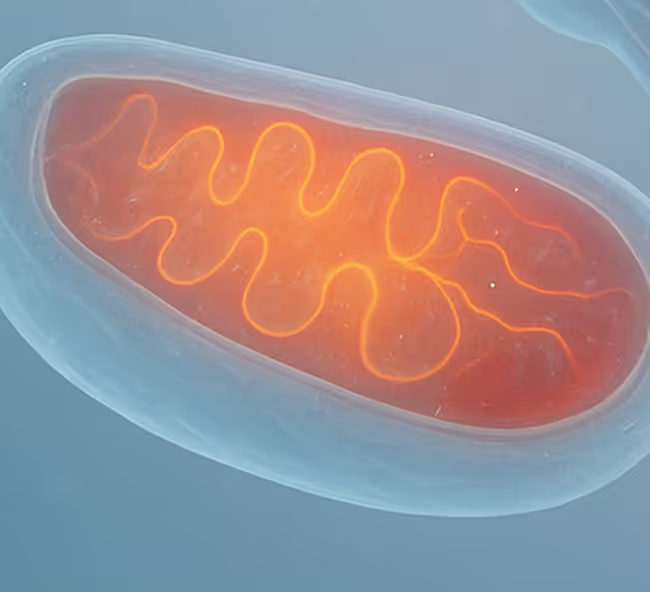
Secondary Brain Injury
Following the primary injury, a cascade of cellular and biochemical responses can worsen brain function. These include:
- Mitochondrial dysfunction, Glutamate excitotoxicity (overstimulation of neurons)
- Oxidative stress, Neuronal cell death
- Chronic neuroinflammation, Impaired autophagy (disrupted cellular cleanup)
(Ginsburg & Smith, 2025)
Research on Using PBM for TBI Is Growing
Evidence suggests that PBM may be a helpful intervention to manage various symptoms:
Clinical Improvements in Humans with mTBI
mTBI participants in a study by Naeser et al. (2014) showed significant improvements in sleep, PTSD symptoms, social and occupational functioning, and neuropsychological scores after just six weeks of transcranial photobiomodulation (tPBM). Notably, these benefits were seen in individuals who were between 10 months and 8 years post-injury, highlighting that it's never too late to benefit from PBM therapy. Additional studies have also shown that PBM enhances visual working memory, verbal memory, subjective sleep quality, pain intensity, and various post-concussion symptoms, including PTSD (Lee et al., 2025).
See the studyPositive Outcomes in Animal Models
In preclinical studies, PBM has shown promising results in animal models of traumatic brain injury. For example, in a weight-induced TBI mouse model, PBM treatment significantly improved neurological severity scores and reduced lesion volume compared to untreated controls (Oron et al., 2012). These findings support the growing evidence that PBM may accelerate neurological recovery even in physically induced injury contexts.
See the studyCellular Mechanisms Supporting Recovery
After a brain injury, mitochondrial dysfunction is common, often manifesting as swelling and loss of membrane potential (Lim, 2024). PBM targets cytochrome c oxidase within the mitochondria, helping to restore cellular function by enhancing the production of adenosine triphosphate (ATP). Furthermore, PBM mitigates secondary damage from brain injury by reducing oxidative stress and neuroinflammation. This is achieved through increased antioxidant activity, modulation of pro-inflammatory pathways, and stimulation of anti-inflammatory cytokine release (Lim, 2024).
See the study
FAQs
Who should not use PBM?
Generally, light therapy is non-significant risk and therefore harmless to the majority of the population. However, we do not recommend this device if you have: metal plates, implanted stimulation devices or other metal objects in the brain, cancer, malignant tissue, active carcinoma, brain tumors, medications causing light sensitivity, open wounds on the head, pregnancy, a recent hemorrhagic stroke or other disorder, or certain hyperthyroid conditions.
What types of results do people with TBI experience from using PBM?
While every individual responds differently, improvements mentioned in our Trustpilot reviews include: improvements in focus, balance, memory, speech, and brain fog.
Is PBM safe?
Yes. PBM is FDA-cleared for various applications and has a strong safety profile. It’s non-invasive, painless, and has no known serious side effects when used as directed.
Learn More About PBM & Brain Health
 Blog
BlogMitochondrial Dysfunction: Causes, Symptoms, and How Light Can Help Restore Energy
Explore how PBM addresses mitochondrial dysfunction — restoring cellular energy, reducing oxidative stress, and supporting brain health

 Newsletters
The Most Overlooked Tool in Brain Injury Recovery and Biohacking
Discover why light therapy is becoming a key tool in brain injury recovery and biohacking—supporting energy, focus, and long-term resilience.

 Blog
BlogHow Brain Vital Signs and Photobiomodulation Are Shaping the Future of Brain Health
tPBM can rapidly improve cognitive processing, with cases showing up to 70 ms gains in healthy users, dramatic recovery post-concussion, and long-term benefits in mild impairment. Even advanced dementia patients show measurable brain activation changes.

References
Ginsburg, J., Smith, T. (2024). Traumatic brain injury. In StatPearls. Treasure Island (FL): StatPearls Publishing. Retrieved July 18, 2025, from https://www.ncbi.nlm.nih.gov/books/NBK557861/
Lee, T.-L., Chan, D. Y.-C., Chan, D. T.-M., Cheung, M.-C., Shum, D. H.-K., & Chan, A. S.-Y. (2025, June 9). Transcranial photobiomodulation improves cognitive function, post‑concussion, and PTSD symptoms in mild traumatic brain injury. Journal of Neurotrauma. Advance online publication. https://doi.org/10.1089/neu.2025.0048
Lim, L. (2024). Traumatic brain injury recovery with photobiomodulation: Cellular mechanisms, clinical evidence, and future potential. Cells, 13(5), 385. https://doi.org/10.3390/cells13050385
Naeser, M. A., Zafonte, R., Krengel, M. H., Martin, P. I., Frazier, J., Hamblin, M. R., Knight, J. A., Meehan, W. P., & Baker, E. H. (2014, June 1). Significant improvements in cognitive performance post-transcranial, red/near-infrared light-emitting diode treatments in chronic, mild traumatic brain injury: Open-protocol study. Journal of neurotrauma. https://www.ncbi.nlm.nih.gov/pmc/articles/PMC4043367/
Oron, A., Shohami, E., Trembovler, V., Alexandrovich, A., De Taboada, L., Streeter, J., & Oron, U. (2012, January 20). Near infrared transcranial laser therapy applied at various modes to mice following traumatic brain injury significantly reduces long-term neurological deficits. Journal of neurotrauma. https://pubmed.ncbi.nlm.nih.gov/22040267/