


Research on Light Therapy and Alzheimer’s Disease
Alzheimer’s Disease (AD) is a neurodegenerative disease that slowly destroys memory, thinking skills, and eventually the ability to carry out simple tasks. Early research into photobiomodulation (PBM) for AD is uncovering promising results.
Alzheimer’s Disease (AD) is a neurodegenerative disease that slowly destroys memory, thinking skills, and eventually the ability to carry out simple tasks. Early research into photobiomodulation (PBM) for AD is uncovering promising results.
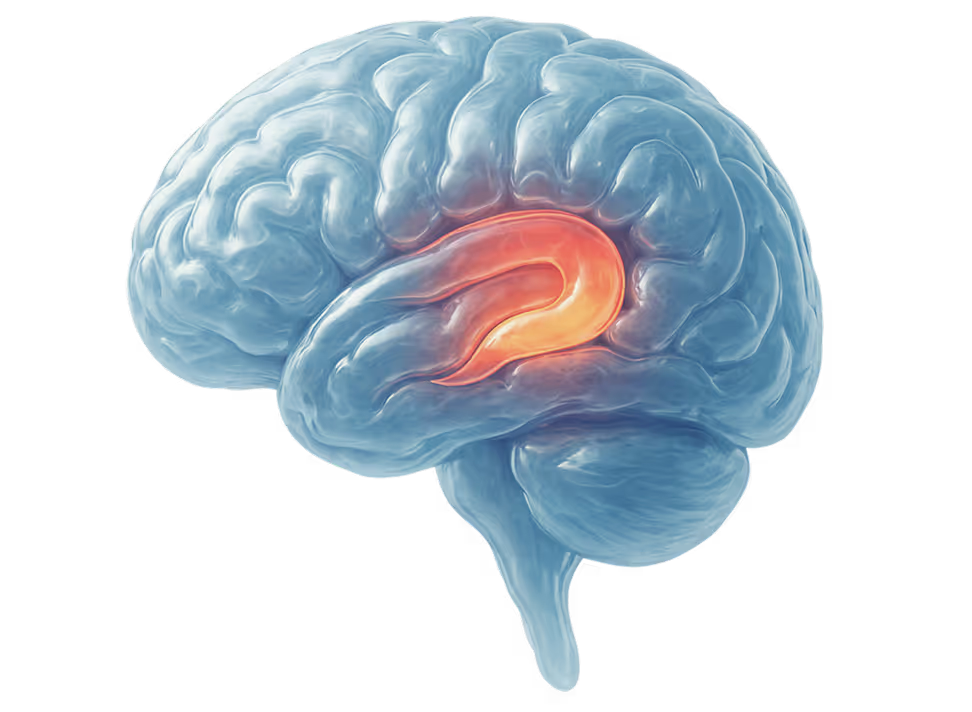
What Causes Memory Loss in Alzheimer’s Disease?
Think of brain cells like tiny factories that generate energy, process information, and communicate with each other. When one part of this system fails, it sets off a chain reaction of dysfunction. In AD, these breakdowns worsen over time, leading to cell death and permanent changes in regions of the brain critical for memory, behavior, and daily functioning.
Damage often starts in the hippocampus, the region responsible for forming new memories. As AD progresses, this damage spreads, causing worsening memory loss and increasing difficulties with thinking, reasoning, and behavior.
Plaques and Tangles
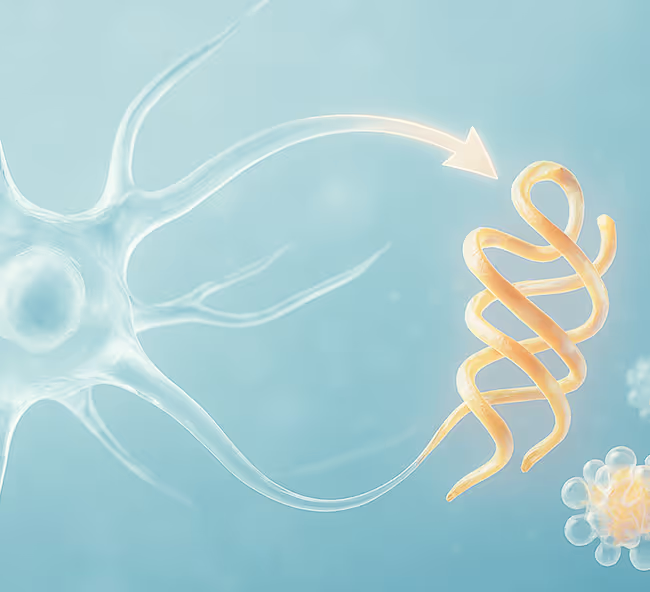
Two abnormal protein structures are considered the main culprits in the progression of AD. Both lead to widespread damage and cell death throughout the brain.
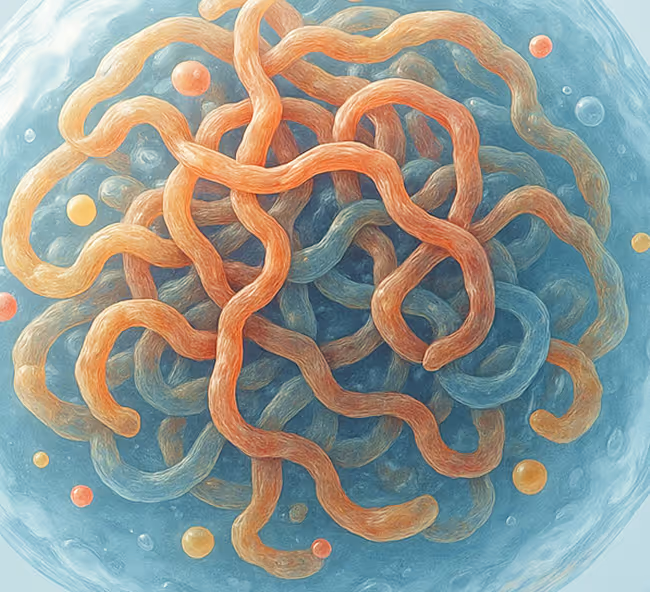
Plaques
Misfolded amyloid proteins aggregate together to form plaques that accumulate between neurons and disrupt communication.
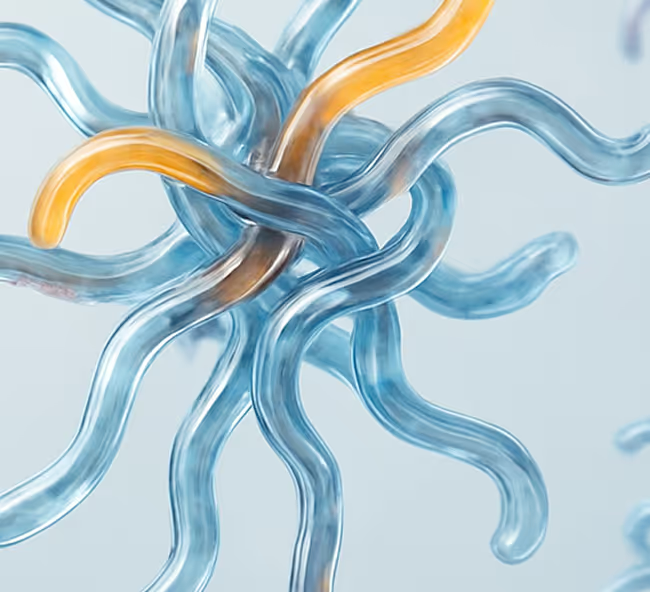
Tangles
Strands of tau aggregate together to form neurofibrillary tangles, which impact cellular functioning and can cause cell death
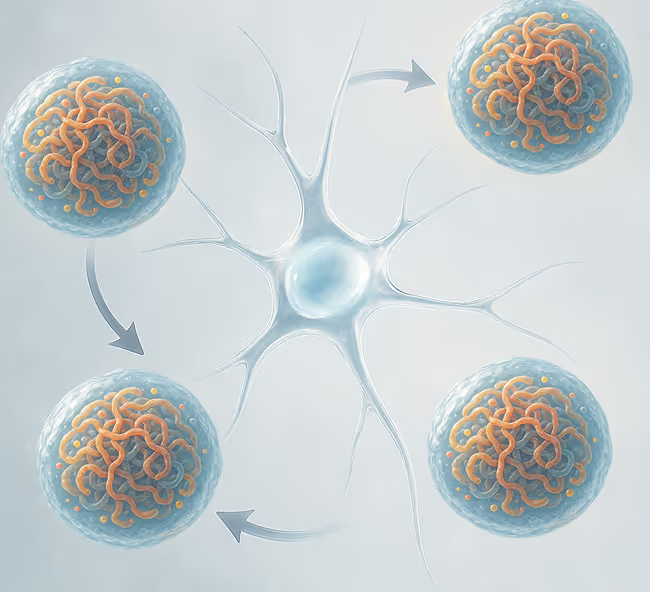
Scientific Insights into PBM & Alzheimer's
Memory Improvement
Clinical trials show that PBM can improve memory, attention, and executive function in AD patients. A pilot study by Saltmarche et al. (2017) used transcranial and intranasal 810 nm PBM in five patients with mild to moderate dementia. After 12 weeks, participants had better Mini Mental State Examination and Alzheimer's Disease Assessment Scale-Cognitive subscale scores, with no side effects, plus improved sleep, reduced anxiety, and improved behavior. Another study (Chen et al., 2023) evaluated 20 patients with mild to moderate AD. PBM at 1060–1080 nm and 800–820 nm was applied for 12 weeks, showing improvements in cognitive function and daily living abilities compared to controls, with no increased adverse events.
See the studySleep Support
Sleep disruption is common in AD, and PBM may help restore healthier sleep by enhancing the brain’s circadian rhythm and reducing inflammation and stress. A 2022 meta-analysis by Zang et al. evaluated 15 randomized controlled trials involving 598 patients and found that light therapy significantly improved sleep efficiency, stabilized sleep-wake cycles, and reduced night-time restlessness. It also reduced depression, agitation, and caregiver burden. Overall, these findings suggest that PBM is a promising, low-risk option to improve sleep and behavioral symptoms in individuals with AD.
See the studyMood, Function, & Quality of Life
Mood disturbances are common and distressing in AD. Clinical studies show PBM may help alleviate these symptoms. A 12-week study by Razzaghi et al. (2024) used an 810 nm LED device for at-home PBM in people with AD and mild cognitive impairment. Patients who received PBM showed improvements in daily functioning, mood, and quality of life compared to the control group. Notably, PBM users improved in daily activities, suggesting light therapy supports both emotional well-being and independence. These findings highlight PBM’s multifaceted benefits, slowing cognitive decline, improving mood and sleep, and enhancing quality of life for patients and caregivers alike.
See the study
How Can Photobiomodulation Help Alzheimer’s Patients?

Reduction of Amyloid-Beta (Aβ) Accumulation
PBM has been shown to significantly reduce amyloid-beta plaque burden in animal models of AD.
2022 Studies Show Near-Infrared Light Clears Beta-Amyloid, Reduces Inflammation, and Protects Neurons
Near-infrared light has been seen to help regulate immune activity in the brain and assist in the clearance of toxic proteins, which in turn help with symptoms associated with AD. Stepanov and colleagues found that NIR light helped shift the microglia - the brain’s immune cells - into a protective state and reduced the harmful effects of beta-amyloid, a protein linked to AD. A similar study by Zhang and colleagues was conducted and found that exposure to 808 nm and 1064 nm light activated microglia to clear beta-amyloid plaques and prevented any further neuronal damage.
See the study

Anti-inflammatory Effects
Chronic neuroinflammation is a hallmark of AD.
Study
Chronic neuroinflammation is a hallmark of AD. In response to amyloid beta accumulation, neural cells called microglia and astrocytes typically shift into pro-inflammatory states that exacerbate neurodegeneration. Studies have shown that PBM can reduce brain inflammation by modulating glial cell activity, suppressing this pro-inflammatory response and promoting a shift toward anti-inflammatory, neuroprotective phenotypes (Yang et al., 2022; Lu et al., 2017; Stepanov 2017).
See the study

Up-regulation of Brain-derived Neurotrophic Factor (BDNF)
PBM has been observed to enhance the expression of BDNF, a critical growth factor involved in neuronal survival, synaptic plasticity, and cognitive function.
PBM Boosts BDNF, Strengthens Neurons, and Improves Cognition in Lab and Clinical Studies
One study by Meng et al. (2019) found that red light (635 nm) applied to mice with AD-like damage activated a signaling pathway which produced more brain-derived neurotrophic factor (BDNF). This supported stronger dendritic growth, improved neural connections, and greater resistance to beta-amyloid toxicity. More recently, in a clinical study with older adults with mild cognitive impairment, PBM was seen to improve memory and thinking skills compared to the placebo group, alongside significantly increased BDNF levels in their blood.
See the study

Increase in Cerebral Blood Flow
PBM has been shown to improve blood flow in the brain by helping blood vessels relax and dilate more.
PBM improves vasodilation via nitric oxide
It does this by triggering the release of a natural substance called nitric oxide, which helps widen the blood vessels (Nairuz et al., 2024). This makes it easier for blood to move through the brain, bringing more oxygen and nutrients to brain cells. It also helps the cells lining the blood vessels work better, supporting healthier circulation overall. Better blood flow in the brain is important because it can support memory, thinking, and overall brain health, especially in conditions like AD.
See the study
FAQs
How many PBM sessions will I need?
Benefits can often be noticed within a few sessions, especially related to sleep and mental clarity. For cognitive improvements, consistent use over several weeks or months is typically recommended. As AD is often referred to as a neurodegenerative disease with genetic components, incorporating light therapy as a regular lifestyle habit can support overall brain health and give your brain the best chance to stay at its most performing level over time.
What are the benefits of PBM for Alzheimer’s?
Research suggests PBM can:
- Improve memory and focus
- Reduce mood disturbances
- Support healthier sleep
- May help slow neurodegeneration
- Enhance overall brain function
How does PBM work for Alzheimer’s disease?
PBM uses red and near-infrared light to stimulate brain cells at the mitochondrial level. This may boost energy production, reduce inflammation, and support tissue repair, all of which are thought to be critical factors in slowing Alzheimer's disease progression.
Is PBM safe?
Yes. PBM is FDA-cleared for various applications and has a strong safety profile. It’s non-invasive, painless, and has no known serious side effects when used as directed.
Learn More About PBM & Brain Health
 Blog
BlogMitochondrial Dysfunction: Causes, Symptoms, and How Light Can Help Restore Energy
Explore how PBM addresses mitochondrial dysfunction — restoring cellular energy, reducing oxidative stress, and supporting brain health

 Newsletters
The Most Overlooked Tool in Brain Injury Recovery and Biohacking
Discover why light therapy is becoming a key tool in brain injury recovery and biohacking—supporting energy, focus, and long-term resilience.

 Blog
BlogHow Brain Vital Signs and Photobiomodulation Are Shaping the Future of Brain Health
tPBM can rapidly improve cognitive processing, with cases showing up to 70 ms gains in healthy users, dramatic recovery post-concussion, and long-term benefits in mild impairment. Even advanced dementia patients show measurable brain activation changes.

References
- de Oliveira, B. H., Lins, E. F., Kunde, N. F., Salgado, A. S. I., Martins, L. M., Bobinski, F., Vieira, W. F., Cassano, P., Quialheiro, A., & Martins, D. F. (2024). Transcranial photobiomodulation increases cognition and serum BDNF levels in adults over 50 years: A randomized, double-blind, placebo-controlled trial. Journal of Photochemistry and Photobiology. B, Biology, 260, 113041. https://doi.org/10.1016/j.jphotobiol.2024.113041 https://doi.org/10.1016/j.jphotobiol.2024.113041
- Lu, Y., Wang, R., Dong, Y., Tucker, D., Zhao, N., Ahmed, M. E., Zhu, L., Liu, T. C., Cohen, R. M., & Zhang, Q. (2017). Low-level laser therapy for beta amyloid toxicity in rat hippocampus. Neurobiology of Aging, 49, 165–182. https://doi.org/10.1016/j.neurobiolaging.2016.10.003 https://doi.org/10.1016/j.neurobiolaging.2016.10.003
- Meng, C., He, Z., & Xing, D. (2013). Low-level laser therapy rescues dendrite atrophy via upregulating BDNF expression: implications for Alzheimer's disease. The Journal of Neuroscience, 33(33), 13505–13517. https://doi.org/10.1523/JNEUROSCI.0918-13.2013 https://doi.org/10.1523/JNEUROSCI.0918-13.2013
- Nairuz, T., Sangwoo-Cho, & Lee, J. H. (2024). Photobiomodulation Therapy on Brain: Pioneering an Innovative Approach to Revolutionize Cognitive Dynamics. Cells, 13(11), 966. https://doi.org/10.3390/cells13110966 https://doi.org/10.3390/cells13110966
- Stepanov, Y. V., Golovynska, I., Zhang, R., et al. (2022). Near-infrared light reduces β-amyloid-stimulated microglial toxicity and enhances survival of neurons: mechanisms of light therapy for Alzheimer’s disease. Alzheimer's Research & Therapy, 14, 84. https://doi.org/10.1186/s13195-022-01022-7 https://doi.org/10.1186/s13195-022-01022-7
- Yang, L., Wu, C., Parker, E., Li, Y., Dong, Y., Tucker, L., Brann, D. W., Lin, H. W., & Zhang, Q. (2022). Non-invasive photobiomodulation treatment in an Alzheimer Disease-like transgenic rat model. Theranostics, 12(5), 2205–2231. https://doi.org/10.7150/thno.70756 https://doi.org/10.7150/thno.70756
- Zhang, R., Zhou, T., Samanta, S., Luo, Z., Li, S., Xu, H., & Qu, J. (2022). Synergistic photobiomodulation with 808-nm and 1064-nm lasers to reduce the β-amyloid neurotoxicity in the in vitro Alzheimer's disease models. Frontiers in Neuroimaging, 1, 903531. https://doi.org/10.3389/fnimg.2022.903531 https://doi.org/10.3389/fnimg.2022.903531