


 Blog
Neuronic's Blog
Check out our latest blogs, articles, and papers to stay updated on brain health and photobiomodulation.
- Blog
 Blog
 FeaturedBlog
Navigating Measurement Challenges in Near-Infrared Light Therapy: Insights from Neuronic’s Experience
Measuring precisely and reliably in the near-infrared (NIR) light therapy is a scientific challenge and a need for advancing the field of PBM. The results showed how the variations caused by diffusers can affect the different devices.

 Blog
Transform Your Clinical Practice with Neuronic's Photobiomodulation Device
As the landscape of therapeutic technologies evolves, the integration of light therapy devices into clinical practices is not just a trend but a revolution.

 Blog
Can Light Therapy Help ADHD? A Science-Based Look at Photobiomodulation
Living with Attention-Deficit Hyperactivity Disorder (ADHD) can be challenging for many adults. Recent research explores the connection between ADHD symptoms, sleep activity patterns, and seasonal mood changes.

 Blog
Light Therapy for Sleep: A Powerful Solution for Better Rest and Improved Health
The understanding of sleep is a vast endeavor that is in its infancy. The difficulty in fully understanding sleep can be attributed to the incredible complexity of the human brain.

 Blog
What Are Brain Waves? 5 Types of Brain Waves and Their Functions
One of the big mysteries in the brain is something called 'brain waves.' These are like the brain's musical rhythms, and they play a big role in how we see, feel, and experience the world.
 Blog
Understanding the GLOW Program: Embrace the Warmth and Maximize Your Experience October 30, 2024
Understanding how light therapy works for everyone can be tricky, while the concept is simple and we get near-infrared light from the sun applying it through various protocols can provide slight differences in the experience and results you feel.
 Blog
Light Therapy's Role in Addressing Long COVID: A Potential for 65 Million Affected
More than 65 million people worldwide struggle from Long COVID, which is characterized by agonizing symptoms such as heart palpitations, anxiety, extreme exhaustion, dizziness, and breathing difficulties.
 Blog
What is the Difference Between 1070 nm vs 810 nm Wavelengths?
Photobiomodulation (PBM) is an emerging non-invasive technique that uses specific wavelengths of light to interact with biological tissues, promoting beneficial effects such as enhanced cellular energy production, reduced inflammation, and improved blood flow.
 Blog
Photobiomodulation: A Promising Light in Stroke Recovery
An ischemic stroke occurs when blood flow is lost to part of the brain. The brain cells in this region can be deprived of oxygen, and cell injury or cell death may follow.
 Blog
The Beneficial Effects of Photobiomodulation Therapy for Autism
According to the World Health Organization, a person with autism struggles with communication and social contact to a certain extent.
 FeaturedBlog
How Transcranial Photobiomodulation Can Help Manage Epilepsy
Epilepsy is a complex neurological disorder characterized by recurrent seizures.

 FeaturedBlog
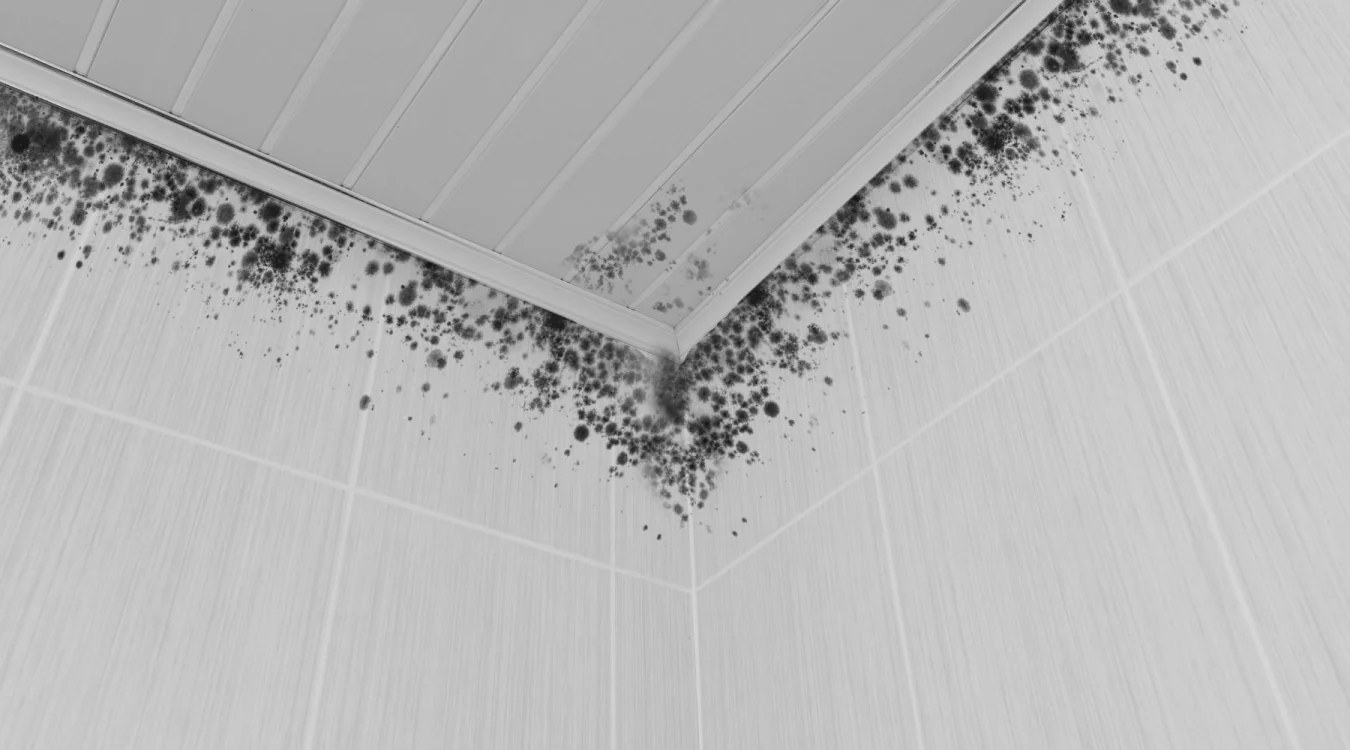
Investigating Transcranial Photobiomodulation (tPBM) for Mold Exposure
Mold exposure can trigger a cascade of health concerns, ranging from respiratory problems to cognitive difficulties and fatigue.